Ground Preparation for Construction That Works
Excavation Services in Watertown for sites requiring foundation preparation, drainage correction, and material removal before building or paving begins
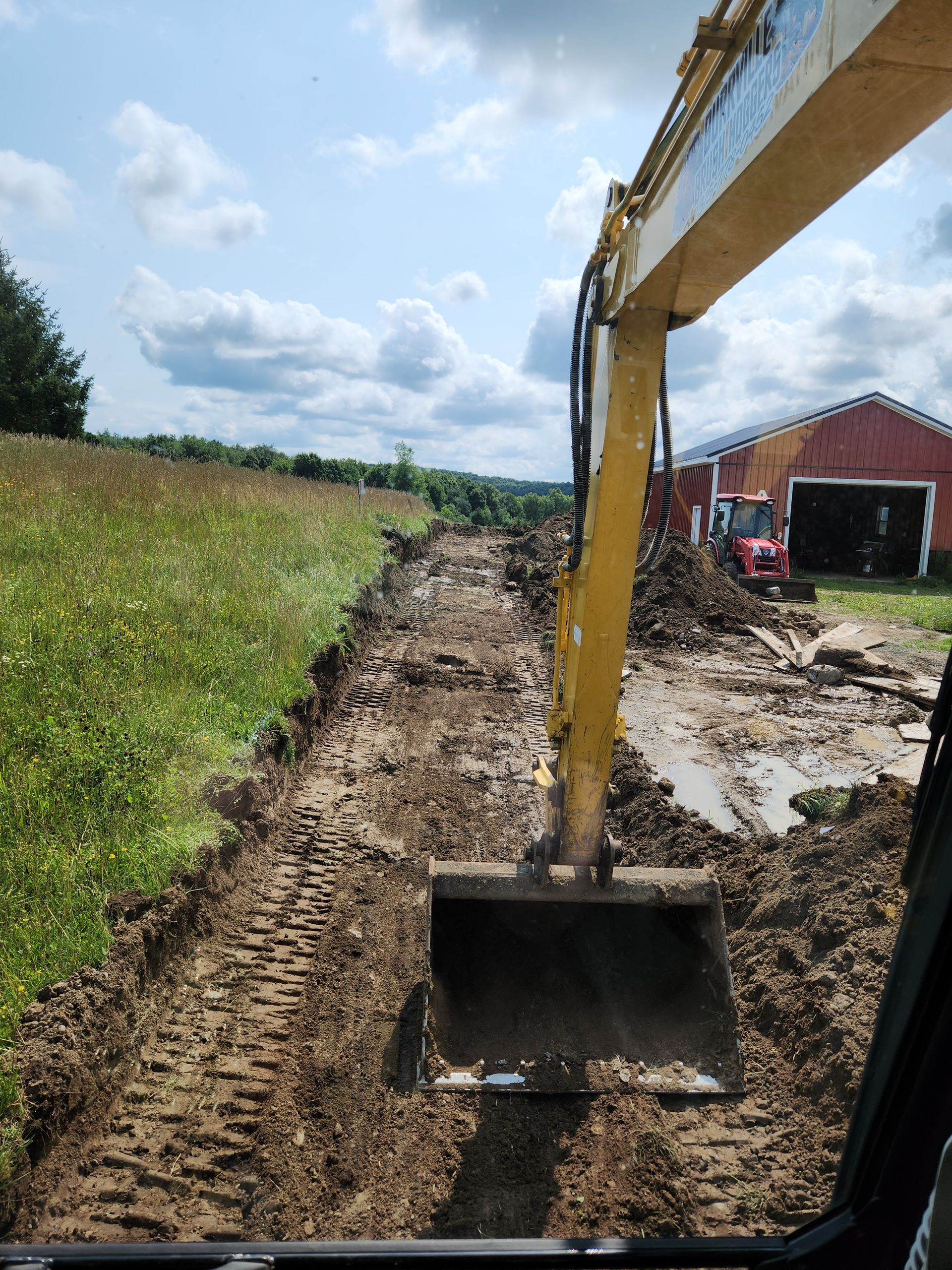
Properties with uneven terrain, embedded boulders, or high water tables need excavation before construction proceeds. Trenching exposes utility lines for new service connections, digging creates level building pads on sloped lots, and site clearing removes stumps and roots that interfere with foundation stability. Burrville Paving & Excavation operates excavation equipment designed for the rocky glacial soils and seasonal frost depths common across northern New York, where ground freezes solid for four to five months annually.
The excavation process removes soil to specified depths and grades, stockpiles topsoil for later use, and exposes subsurface conditions that affect drainage planning. Safe equipment operation includes locating underground utilities, maintaining stable excavation walls, and handling material without damaging adjacent structures. Proper excavation depth accounts for frost penetration, which reaches 42 inches in this climate zone and determines foundation footing placement.
Request excavation planning that coordinates with your construction timeline and site conditions in Watertown, Mannsville, Adams, and throughout Jefferson County and the North Country.
What Changes After Excavation Completes
Excavation work creates level surfaces where sloped or uneven ground previously made construction impossible. Material removal exposes stable subsoil suitable for bearing foundation loads, replacing the organic topsoil that compresses under weight. Trenches provide pathways for utility lines, drainage pipes, and service connections that must be buried below frost depth to function through winter.
Once excavation finishes, building pads sit at elevations that direct water away from structures rather than collecting runoff. Access routes allow construction vehicles and material delivery without crossing finished landscaping. Stockpiled topsoil remains available for final grading once construction completes. The exposed subgrade reveals any ledge, water seepage, or unexpected soil conditions that require design adjustments before foundations are poured.
Excavation projects often include material hauling when unsuitable soils need replacement with engineered fill, or when rock removal produces more material than the site can accommodate. Wooded lots require stump grinding and root removal to prevent voids beneath paved surfaces. Residential projects typically involve foundation excavation, septic system installation, and drainage corrections. Commercial work includes larger-scale site clearing and grading for parking areas and building footprints.
Answers to Frequent Service Questions
Property owners preparing for construction or site improvements often ask about timing, equipment access, and how excavation affects surrounding areas.
What site conditions require excavation before paving or building?
Any surface with more than six inches of elevation change, organic soil that compresses under load, or subsurface water that weakens load-bearing capacity needs excavation and regrading. Northern New York's clay soils often retain water that must be redirected.
How does excavation depth get determined for foundation work?
Footings must extend below maximum frost penetration to prevent heaving. In Watertown, this typically means excavating 48 inches or deeper depending on building size and soil conditions.
What equipment access does excavation require?
Standard excavators need 10-foot-wide clearance and firm ground to support 20-ton operating weight. Compact equipment works in tighter spaces but moves less material per day, affecting project duration.
When should excavation be scheduled during a construction project?
Ground work happens first, after utilities are marked but before any permanent structures or paving. Frozen ground from November through March prevents excavation unless heating equipment is used.
How is excavated material handled on residential properties?
Unsuitable material gets hauled off-site, while topsoil is stockpiled for final grading. Some rocky subsoil can be crushed and reused as base material for driveways or walkways.
Burrville Paving & Excavation coordinates excavation work with grading, drainage installation, and site preparation across residential, commercial, and rural properties. Schedule a site visit to review excavation requirements and material handling for your upcoming project.